

Why You Hide Your Family's Past From the Person You Love
Many people hide their family history from the person they love — not because they don't trust them, but because shame convinces them that what they came from is not something anyone can know. For those who grew up with family violence, conflict, or a family member with a mental health condition, that shame often carries an extra layer that is almost impossible to voice. This post explores where that hiding comes from, what it protects, what it costs, and what it looks like to begin moving toward something different.
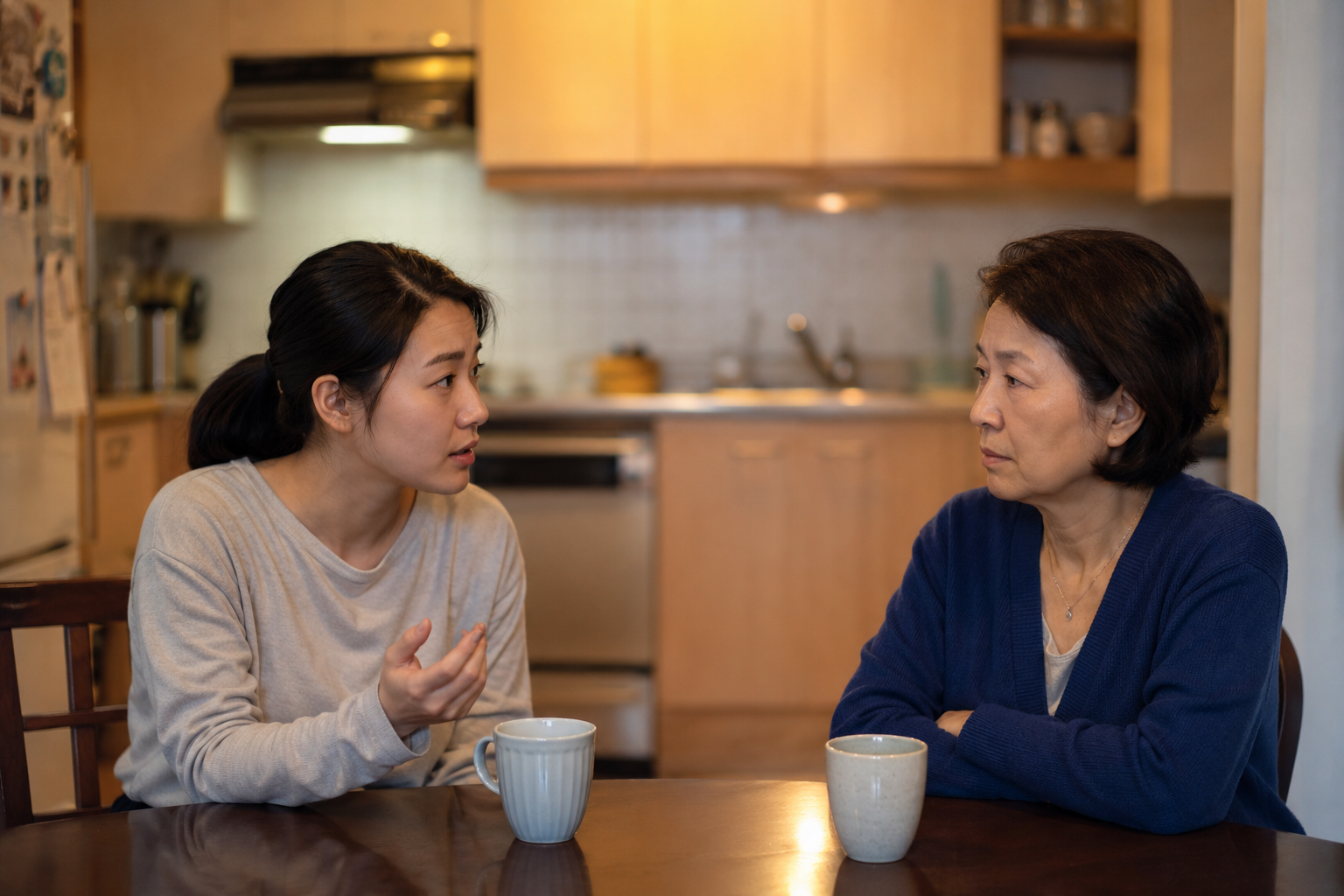
How to Talk to Your Asian Parents About Mental Health
You've rehearsed the conversation a dozen times, and it still doesn't go as planned. This post breaks down why you might be having this conversation in the first place, what makes it so difficult, and practical ways to start it, even when it doesn't land perfectly the first time.
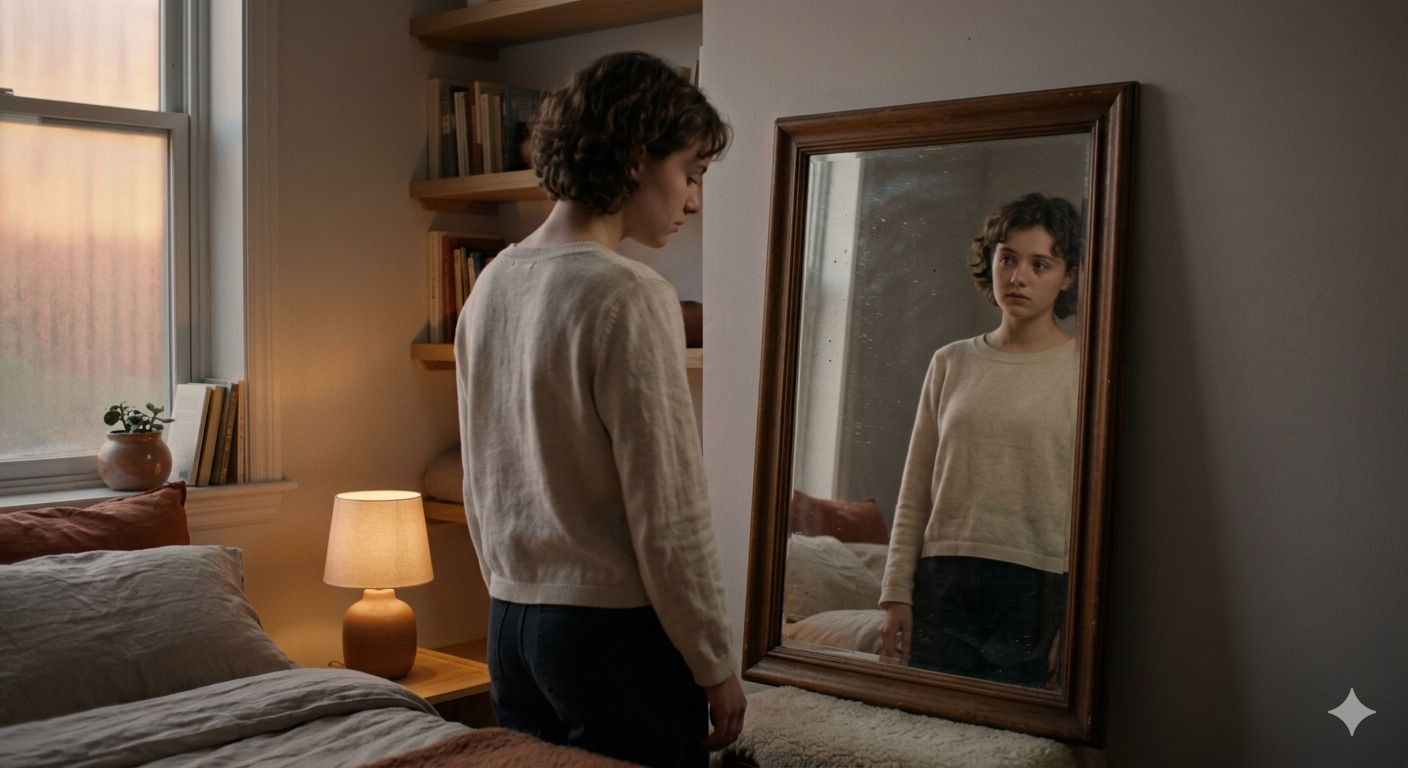
What Is the "Inner Child" — And Why Does the Concept Feel So Strange?
Many people hear the phrase "inner child" and feel an instinctive skepticism — it sounds soft, a little embarrassing, not the kind of thing a serious adult spends time on. This post explores what inner child work actually is beneath the language that makes it easy to dismiss, why the resistance to it is often the most telling thing about its relevance, and what the research says about the clinical frameworks behind it.

What Happens When You Grow Up in an Emotionally Silent Family
Growing up in a family where emotions were rarely named or responded to leaves a particular kind of mark — not always a visible one. This post explores what happens to the emotional needs that had nowhere to go, how those early adaptations follow us into adulthood, and what it looks like to begin working with them.