

Growing Up as the Responsible One: What Happens to the Child Who Had to Be the Adult
You were praised for being mature, capable, and dependable. But what happens when the child who held everything together grows up? Learn how family stress, parental mental illness, and childhood parentification can shape rest, relationships, boundaries, and the ability to receive care.

Why You Hide Your Family's Past From the Person You Love
Many people hide their family history from the person they love — not because they don't trust them, but because shame convinces them that what they came from is not something anyone can know. For those who grew up with family violence, conflict, or a family member with a mental health condition, that shame often carries an extra layer that is almost impossible to voice. This post explores where that hiding comes from, what it protects, what it costs, and what it looks like to begin moving toward something different.

When You're the First in Your Family to Go to Therapy
She didn't know what she was supposed to say. No one in her family had ever sat across from a stranger and described what actually happened at home.

When One Partner Goes to Therapy and the Other Doesn't
She recognized the pattern mid-argument for the first time. It didn't make her feel better. It made her feel helpless, because she still couldn't change what happened next.

The "Good Student" Trap: When High Achievement Becomes a Survival Strategy
For years, avoiding disaster looked like ambition. Then the disaster stopped having a name, and so did the fear that had been running everything.

委屈 (Wěi Qū): The Chinese Emotion English Has No Word For
委屈 (wěi qū) is a Chinese word with no direct English translation. It describes not just the feeling of being wronged, but the particular experience of having no outlet for that wrong — when the grievance cannot be expressed, or has been expressed and made no difference. This post explores what 委屈 actually contains, what happens when it accumulates without being witnessed, and what it means clinically that so many people are carrying a feeling their primary language has no name for.
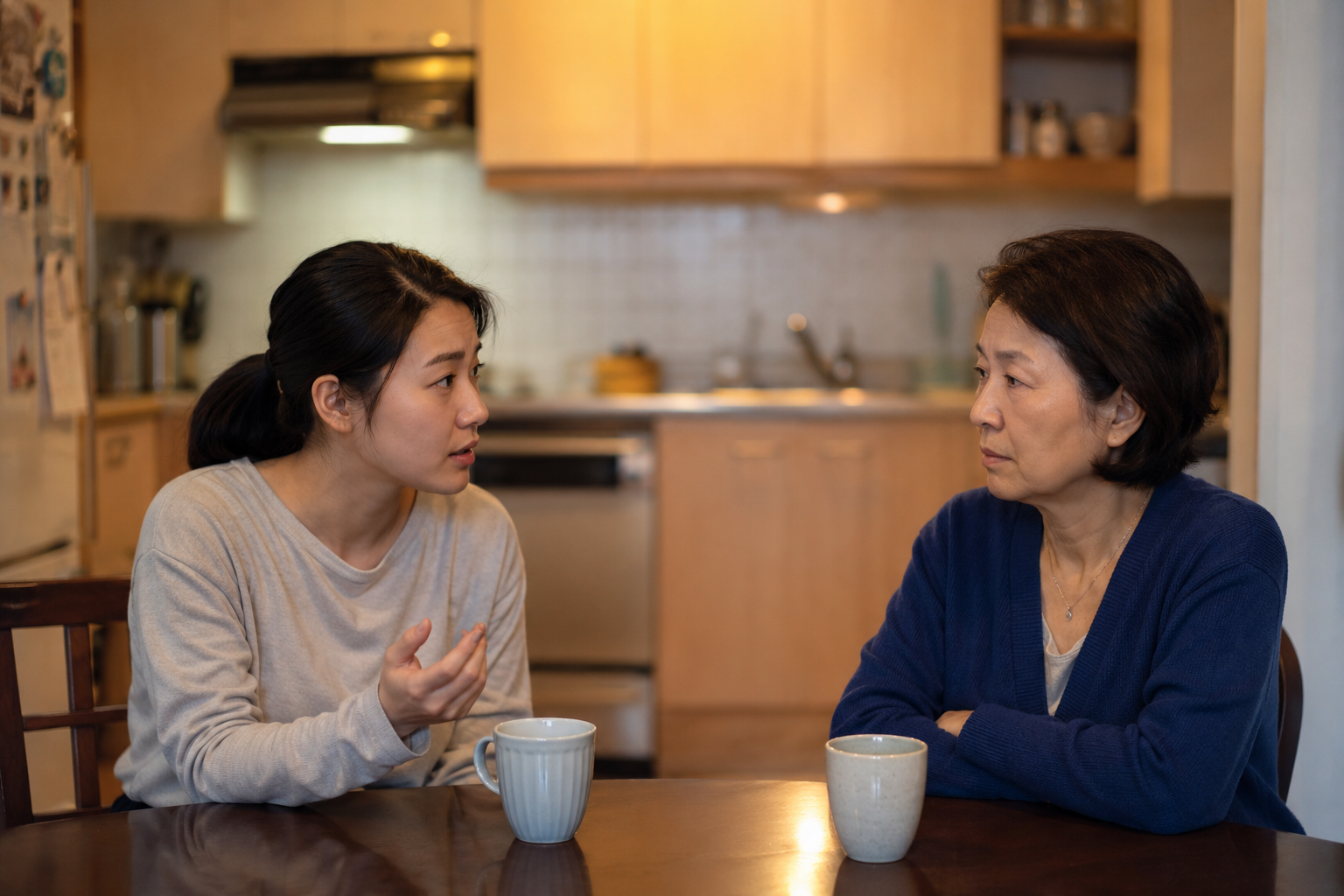
How to Talk to Your Asian Parents About Mental Health
You've rehearsed the conversation a dozen times, and it still doesn't go as planned. This post breaks down why you might be having this conversation in the first place, what makes it so difficult, and practical ways to start it, even when it doesn't land perfectly the first time.

"You're Too Emotional." "You're Too Cold." — Why These Labels Are Tearing Your Relationship Apart
When couples label each other "too emotional" or "too cold," those labels feel like facts. They're not. They're roles a relationship system assigns. This post explores why the "logical" partner is protected rather than cold, why the "emotional" partner is carrying the relationship's feelings for both people, and what actually has to shift for connection to replace blame.

What Is the "Inner Child" — And Why Does the Concept Feel So Strange?
Many people hear the phrase "inner child" and feel an instinctive skepticism — it sounds soft, a little embarrassing, not the kind of thing a serious adult spends time on. This post explores what inner child work actually is beneath the language that makes it easy to dismiss, why the resistance to it is often the most telling thing about its relevance, and what the research says about the clinical frameworks behind it.

What Happens When You Grow Up in an Emotionally Silent Family
Growing up in a family where emotions were rarely named or responded to leaves a particular kind of mark — not always a visible one. This post explores what happens to the emotional needs that had nowhere to go, how those early adaptations follow us into adulthood, and what it looks like to begin working with them.

The Hidden Mental Health Crisis Among Chinese International Students in the US
Hundreds of thousands of Chinese students arrive in the US each year carrying academic pressure, visa precarity, financial obligation, and a loneliness that has no easy name. Research shows the majority will experience clinically significant mental health symptoms. Almost none will seek help. This post examines why — and what gets missed when they don't.

When Love Crosses Cultures: Why Communication Is Harder Than It Looks
In intercultural relationships, the same argument tends to repeat itself in different forms. One partner goes quiet. The other pushes harder to close the distance. Neither feels heard. This post explores why communication across cultures is harder than it looks, and what's often hiding underneath.

Why Therapy Feels Shameful in Chinese Culture — And Why That's Changing
Many Chinese and Asian clients know they're struggling. They've thought about therapy. But something deeper keeps getting in the way — something absorbed long before they could name it. This post explores where that feeling comes from, and why understanding it might be the first step toward loosening its grip.


When Achievement Stops Being a Choice
You’re successful on paper — but exhausted in your body. The insomnia, tension headaches, digestive issues, and constant anxiety don’t make sense. You worked hard to build this life. So why does it feel like something is breaking down?
For many high-achieving professionals, achievement gradually shifts from a goal to an identity. What once felt purposeful becomes automatic. Rest feels dangerous. Slowing down feels like disappearing.
This article explores how achievement can quietly become a requirement for self-worth — and how therapy can help high-performing professionals in New York and New Jersey rebuild a relationship to success that doesn’t come at the cost of their health or relationships.

Beyond Laziness: Understanding Procrastination as Emotional Regulation
Is procrastination a sign of laziness? In clinical practice, we find it is often a sophisticated strategy for emotional regulation and self-protection. Learn how to bridge the gap between your "rational" and "emotional" brain.
拖延症真的只是懒吗?在临床实践中,我们发现它往往是一种复杂的情绪调节与自我保护策略。本文将探讨如何缓解大脑内部的博弈,停止自我攻击,实现真正的行动。
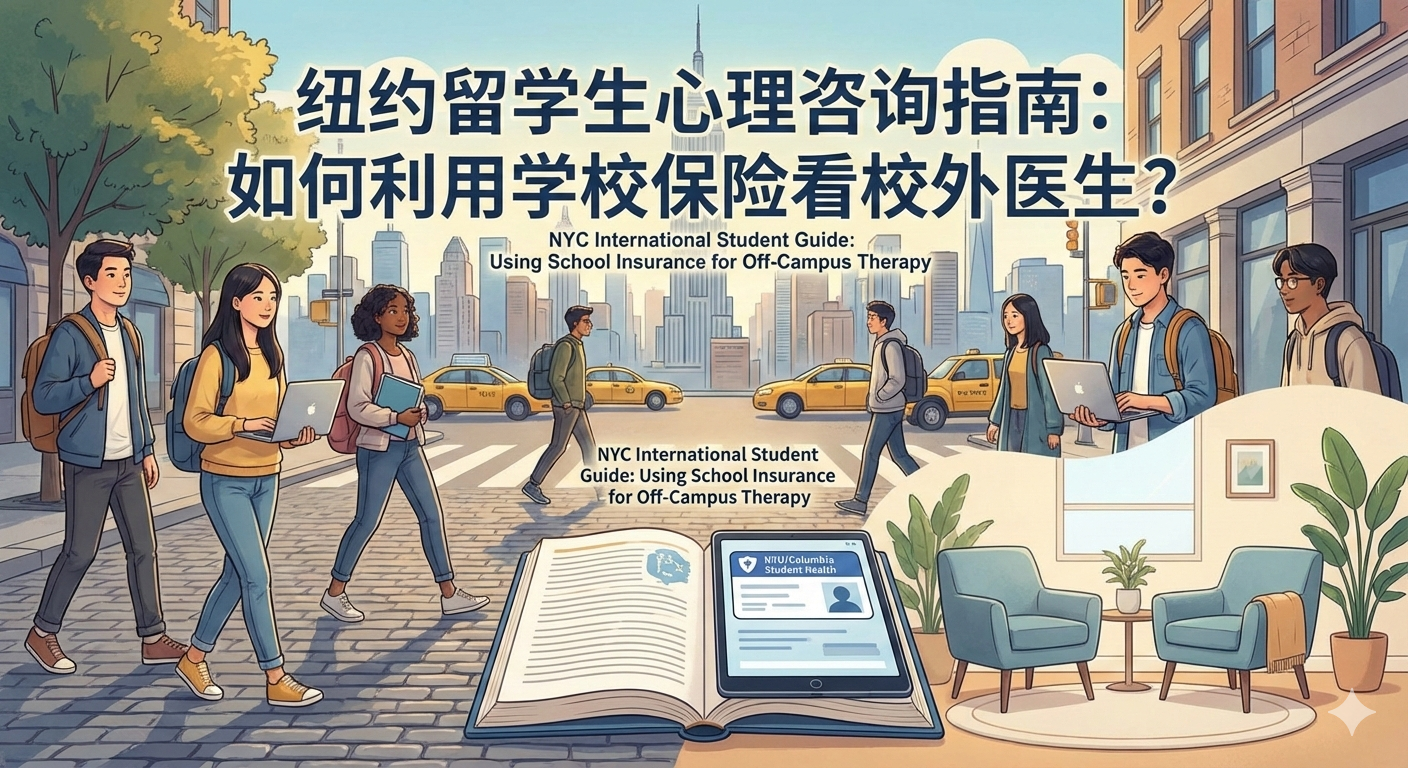
纽约留学生心理咨询指南:如何利用学校保险看校外医生?
Detailed guide for international students in New York on how to use school health insurance for off-campus Chinese therapy with Dr. Di Liu.

What Actually Happens in Therapy: A Guide to Your First Session
Starting therapy can feel uncertain. You might wonder what to expect in your first session. Here’s how therapy actually works — and what helps it create real change.